L'ami de mon amie (Éric Rohmer, 1987)
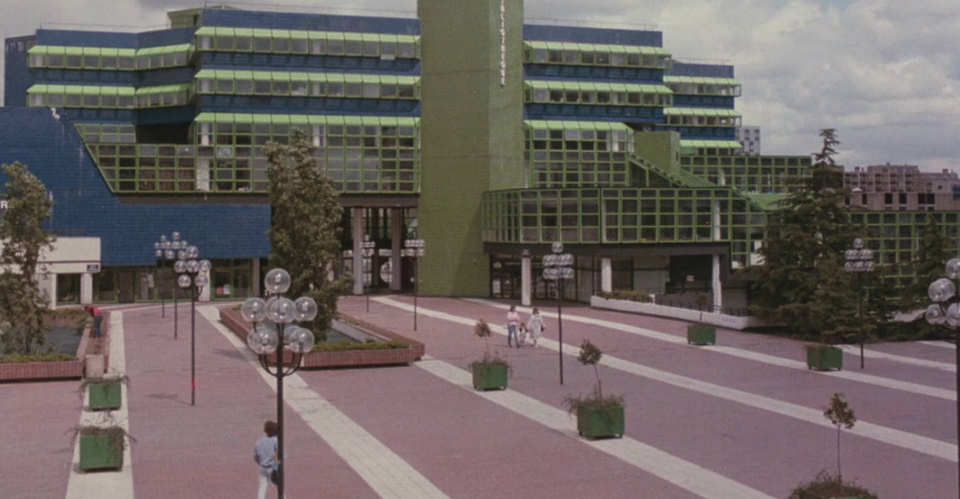
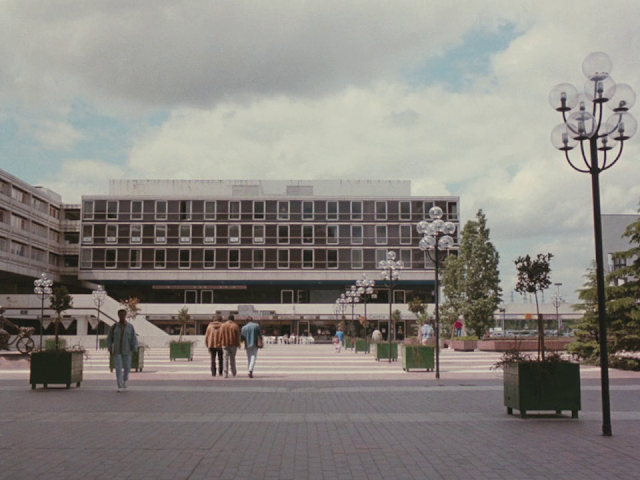
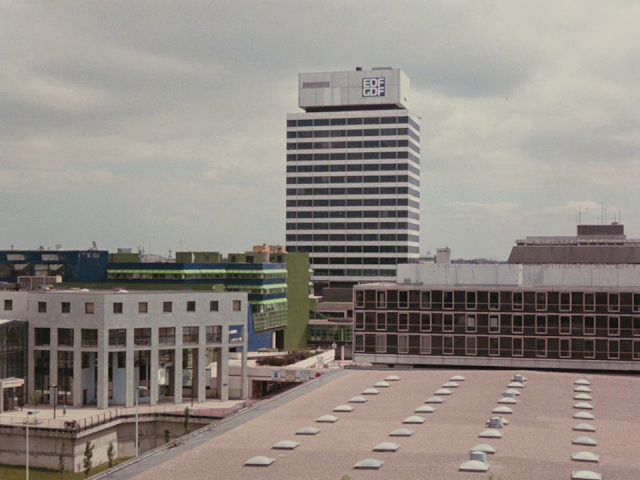
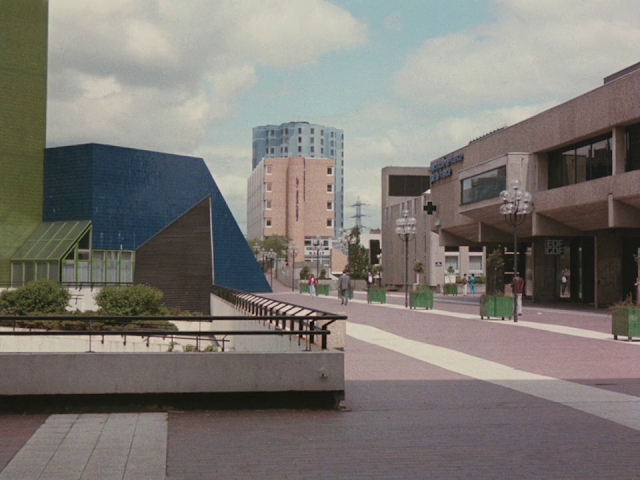
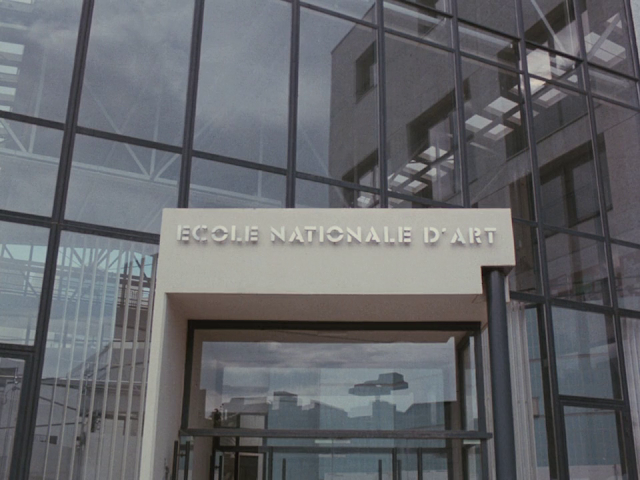
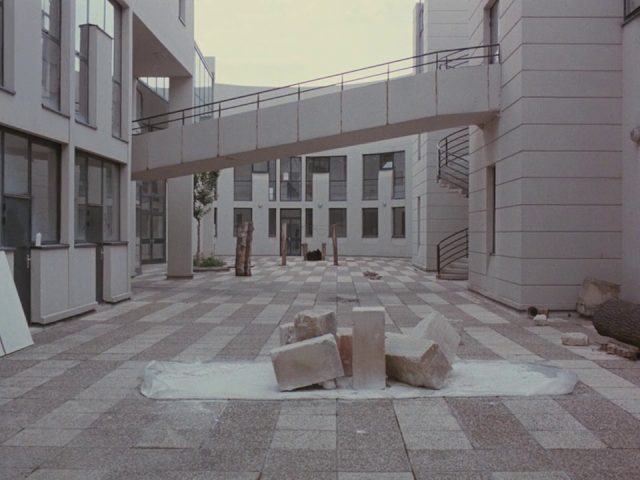
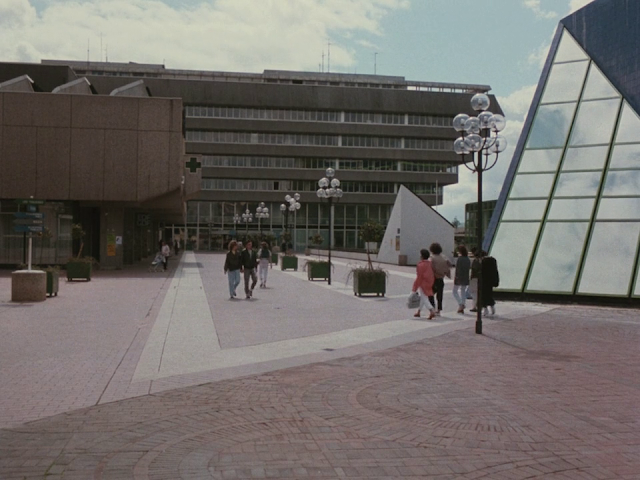
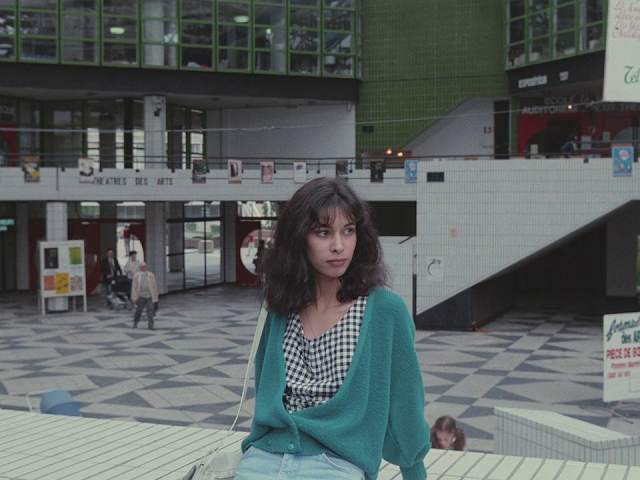
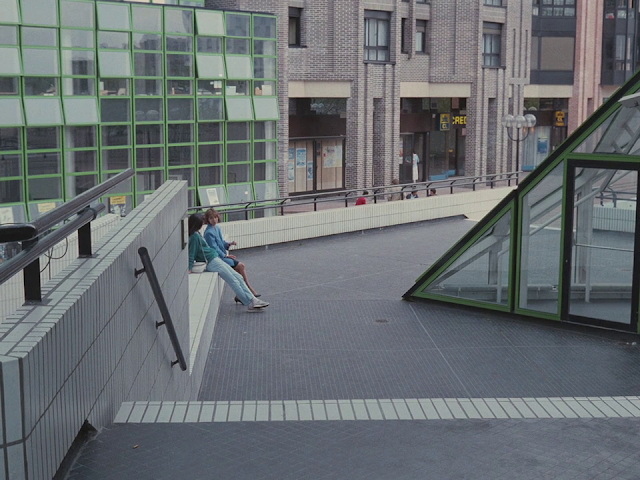
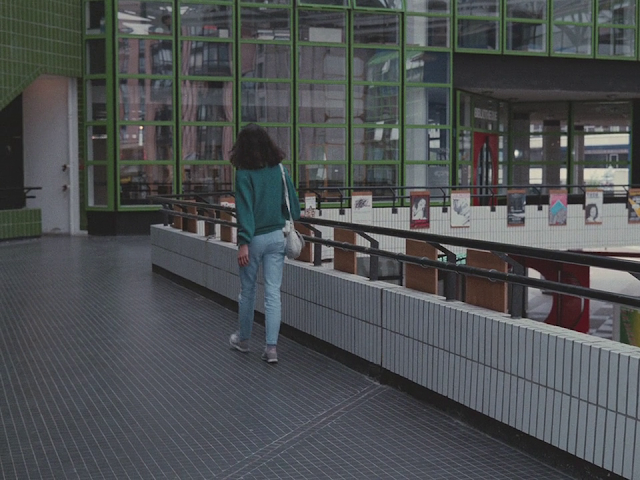
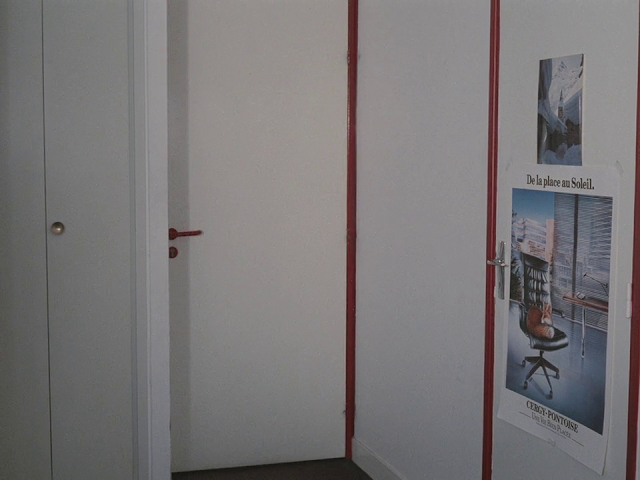
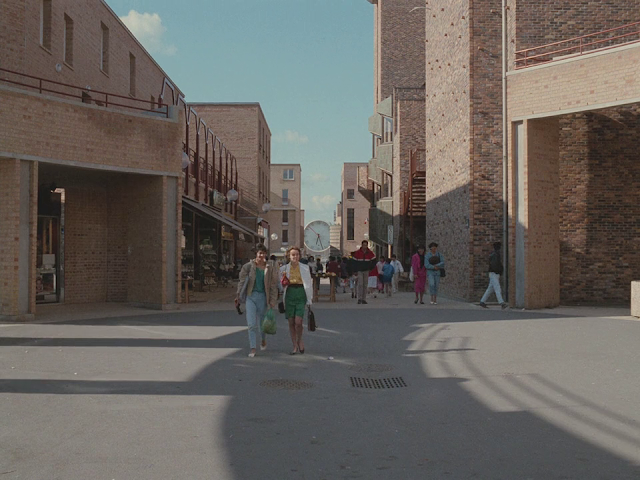
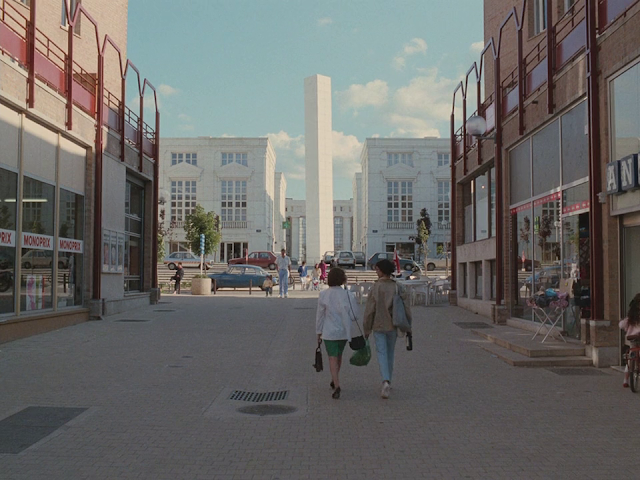
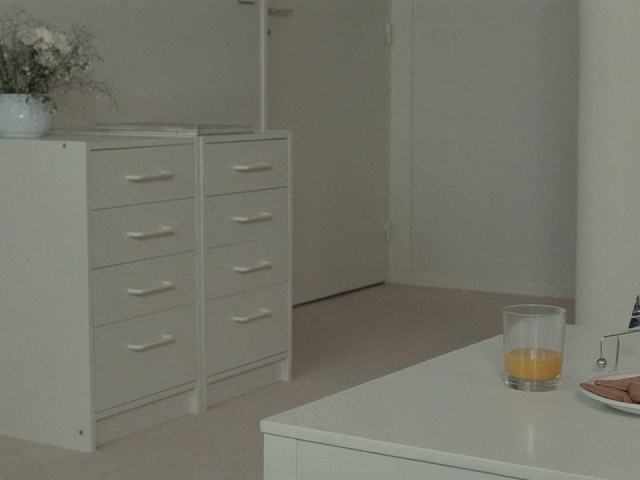
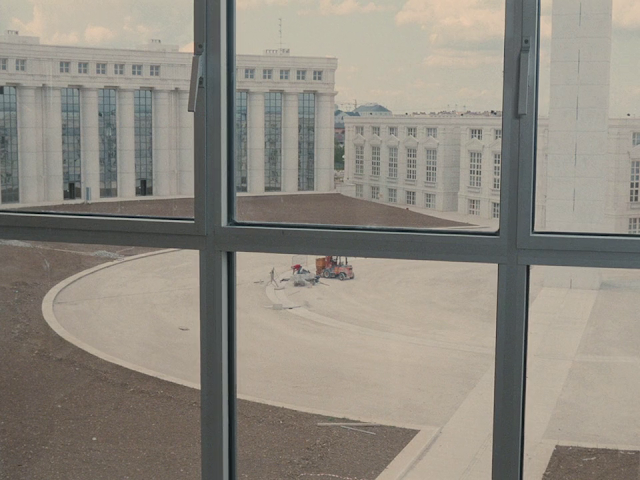
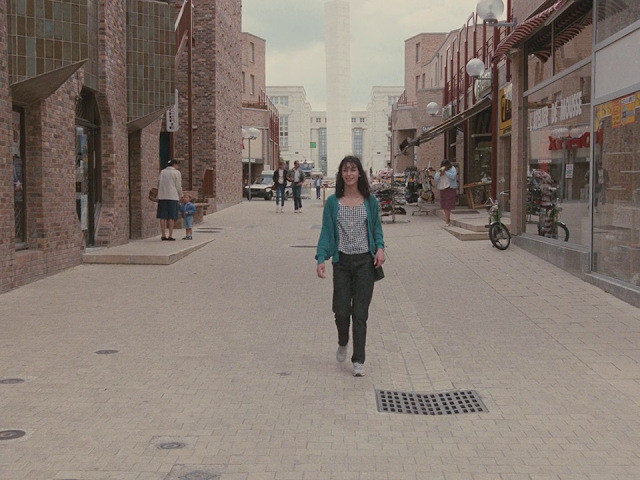
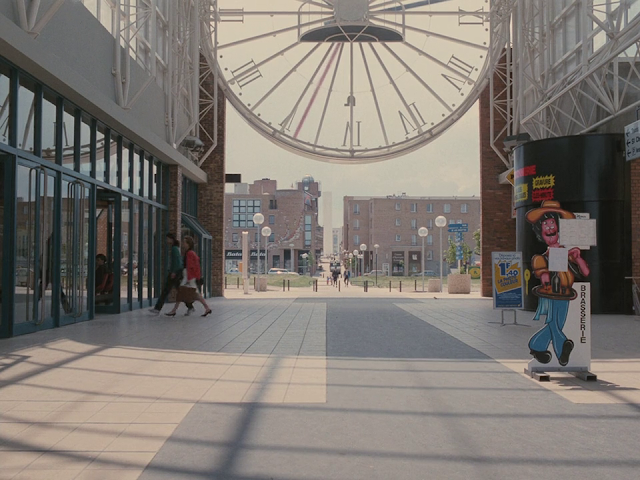
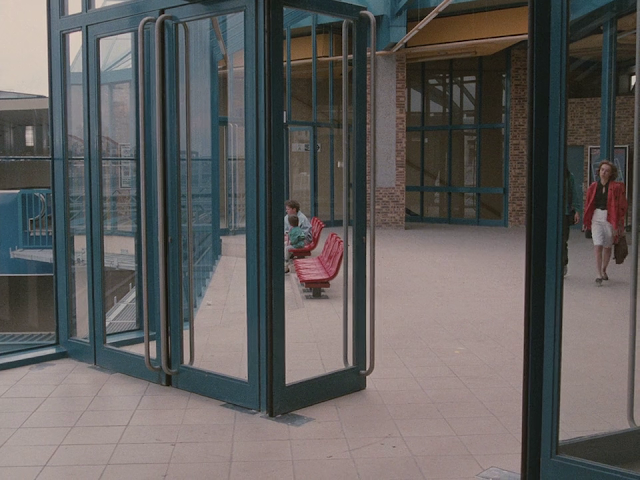
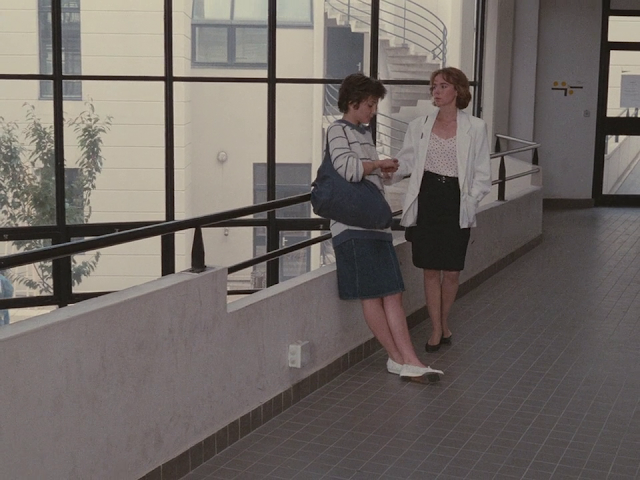
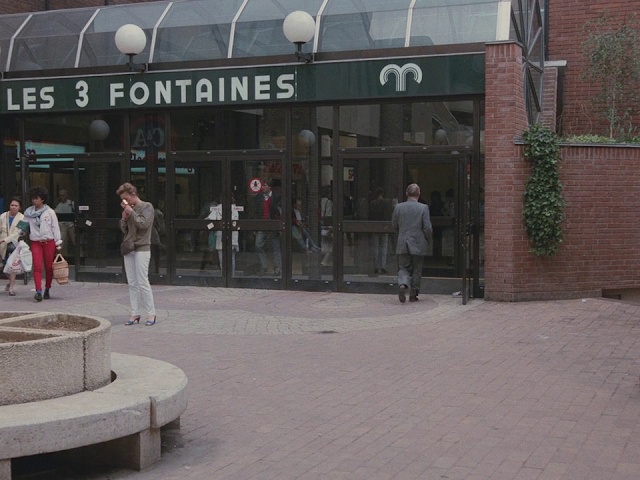
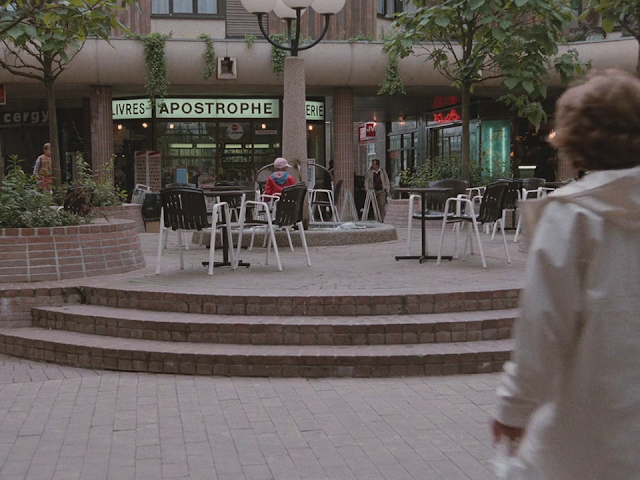
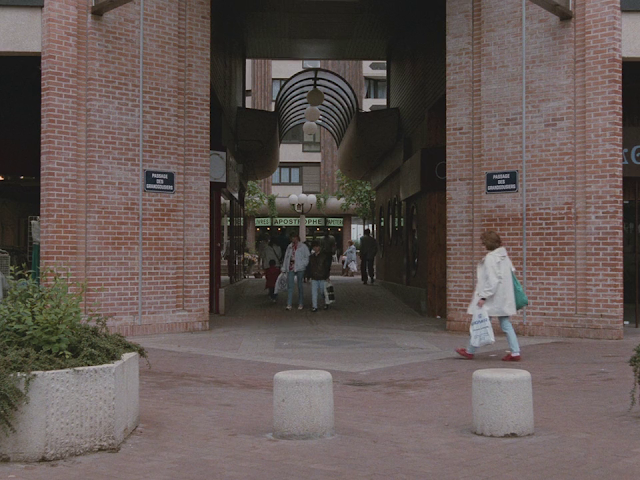
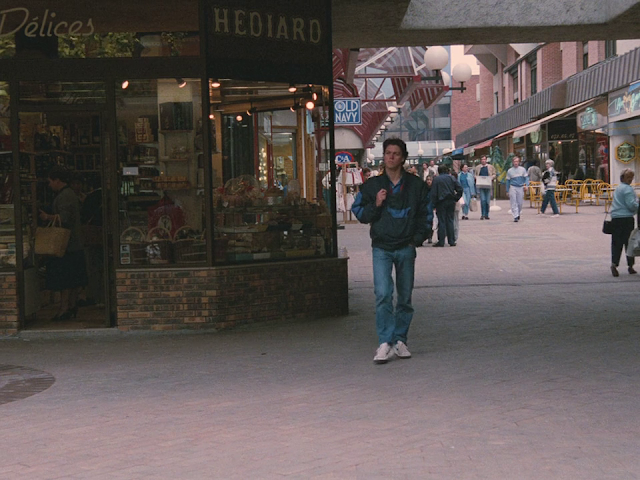
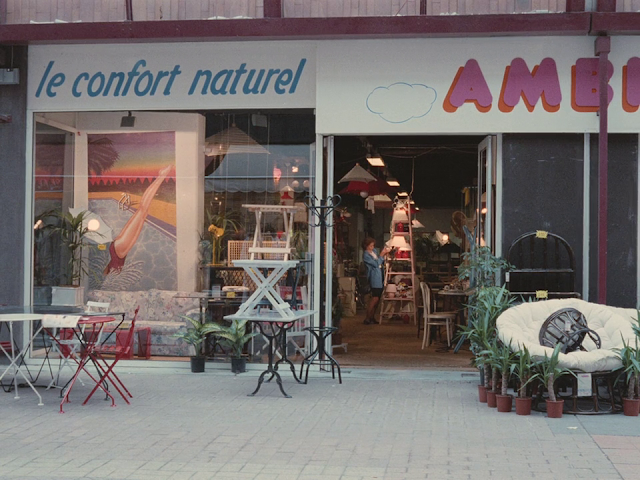
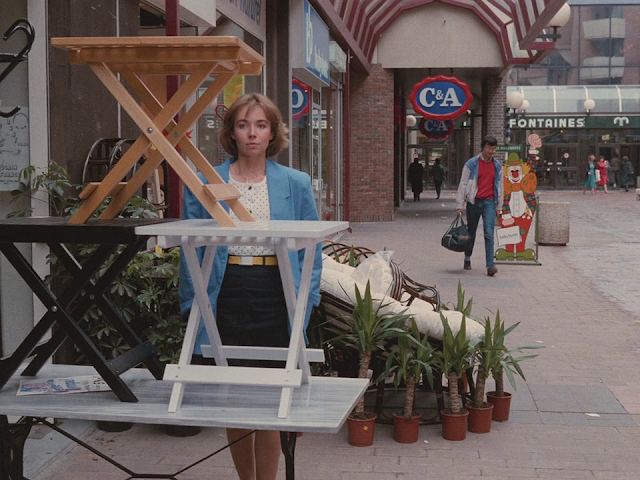
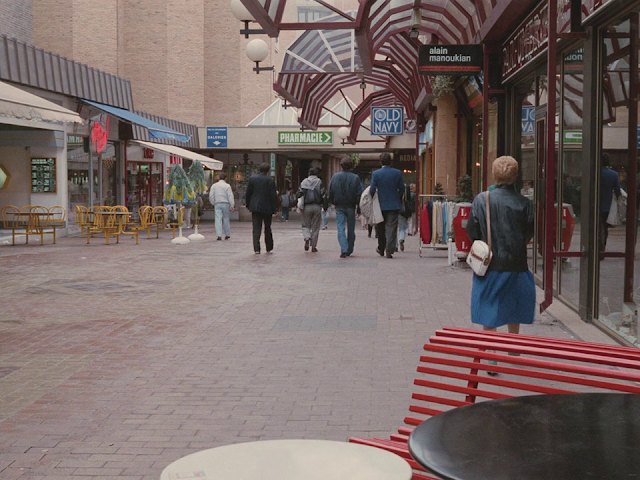
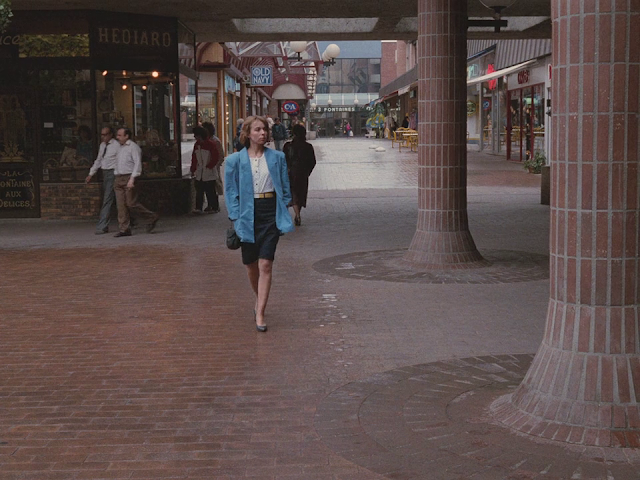
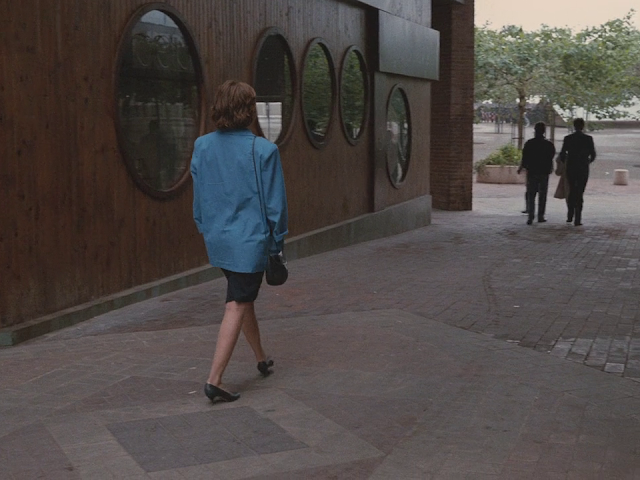
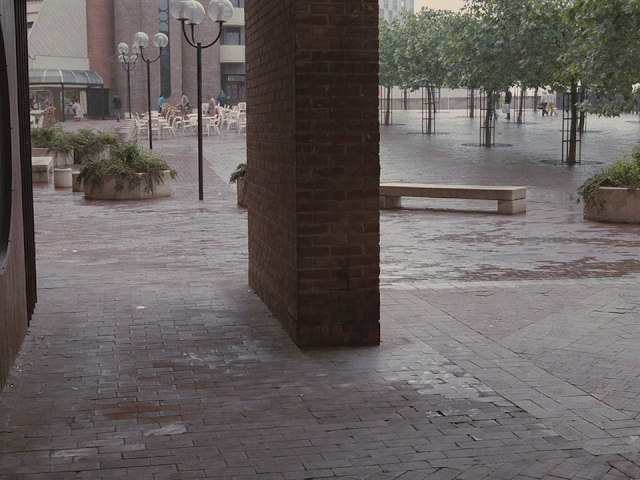
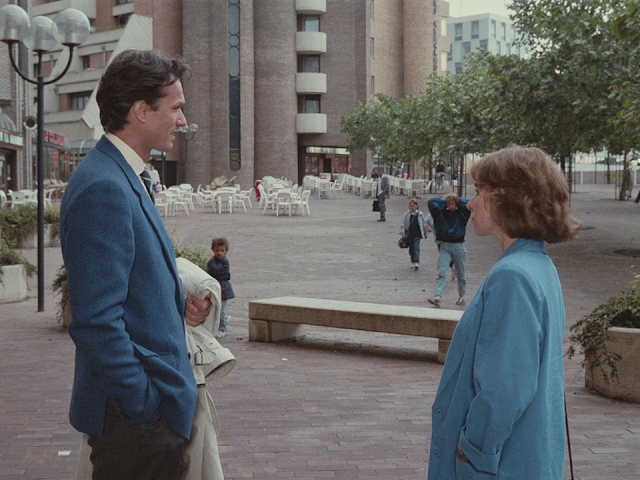
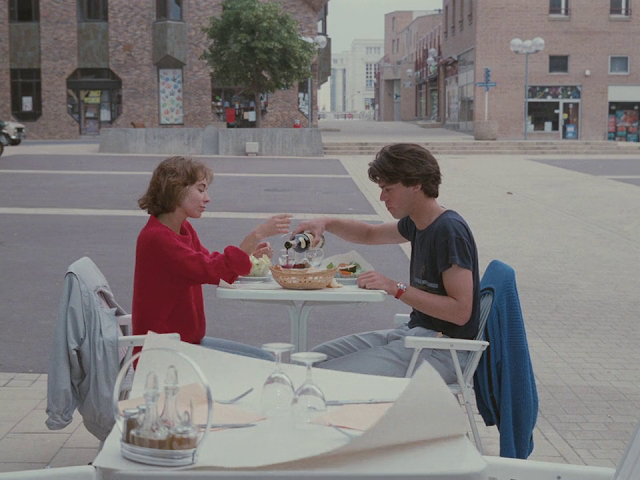
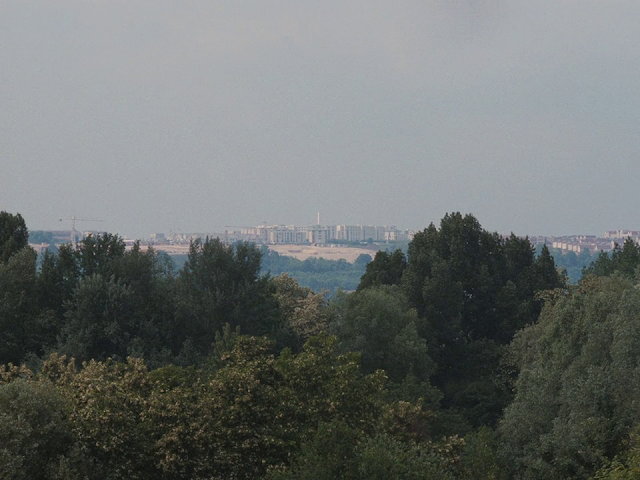
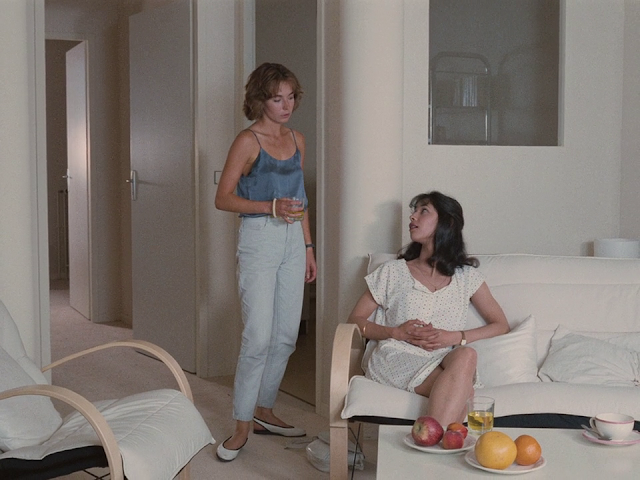
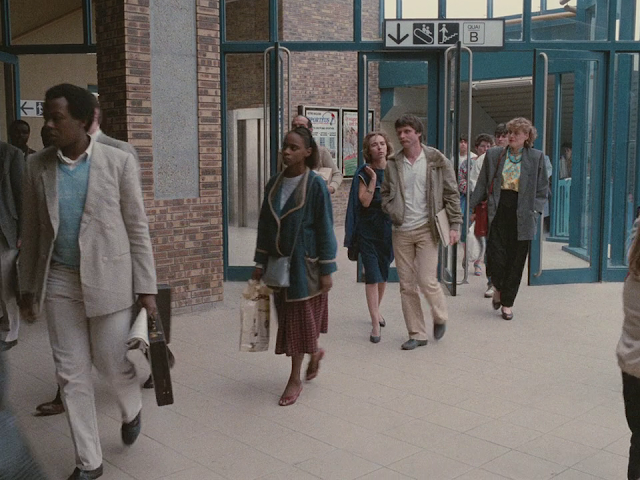
L’ami de mon amie (Éric Rohmer, 1987) was filmed largely in the French new town of Cergy-Pontoise, a planned urban environment developed in the 1970s as part of a broader postwar push towards decentralisation and modern living. Designed to embody a new way of organising social, professional, and romantic life, the town is characterised by municipal buildings in bold geometries, earth-toned and mineral surfaces, and an almost theatrical sense of order. Rohmer makes pointed use of these features, frequently situating scenes in the town centre to emphasise its shops, cafés, walkways, and amenities, as well as the striking clock that anchors the shopping thoroughfare and quietly structures the characters’ daily rhythms.
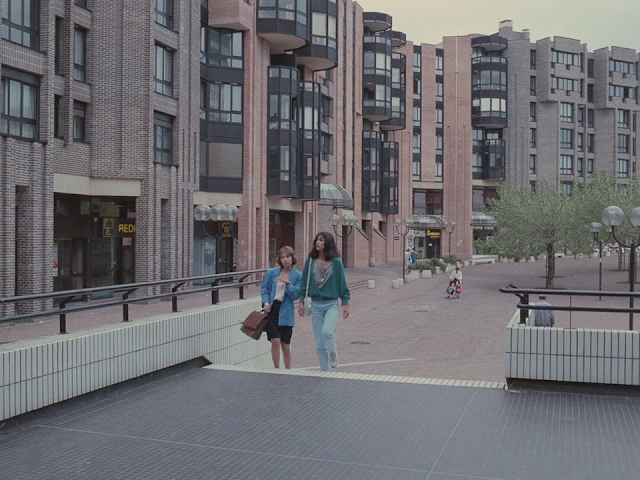
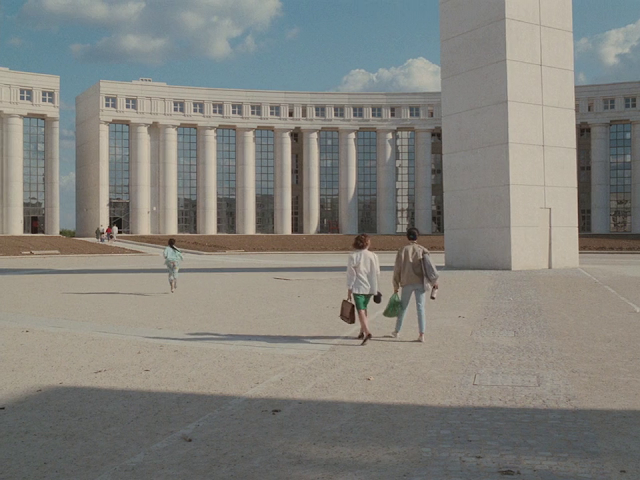
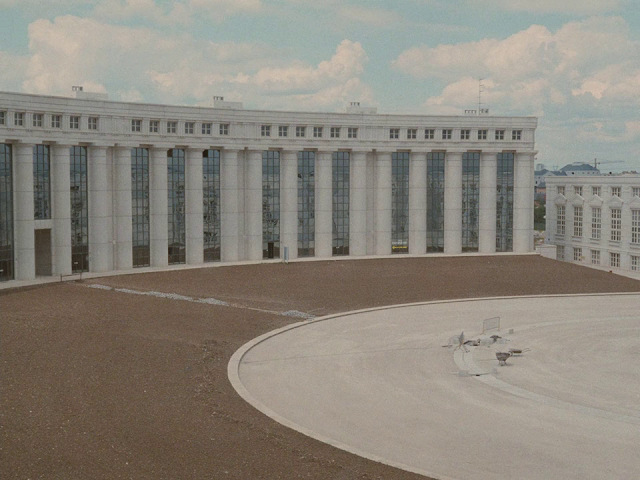
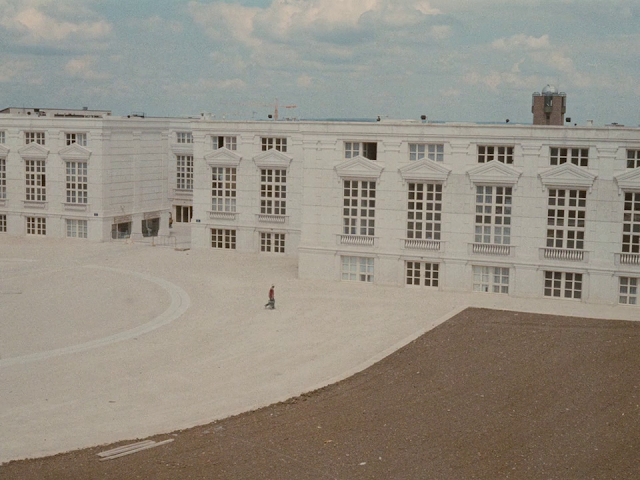
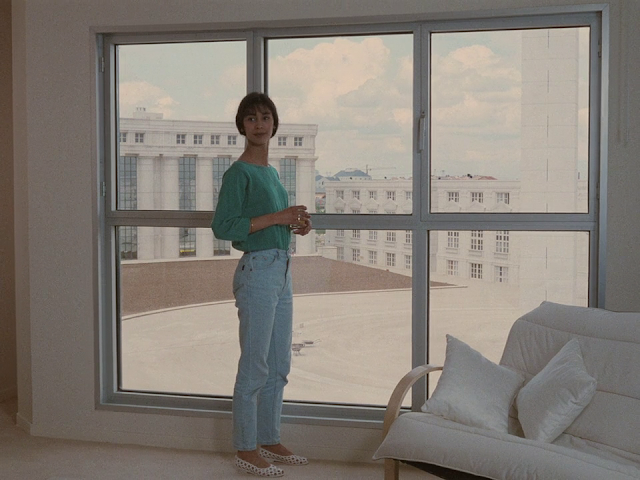
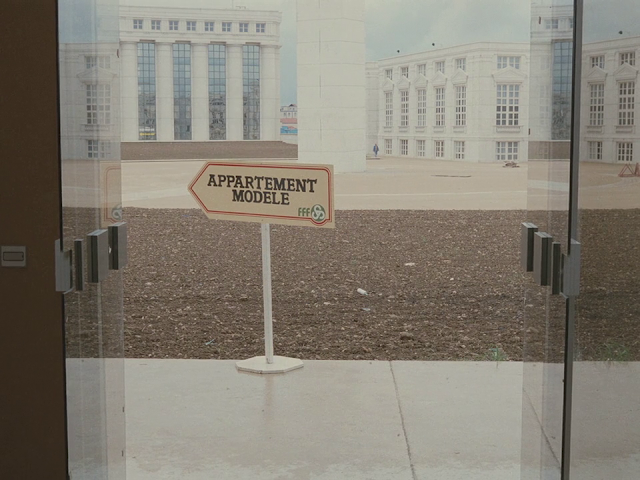
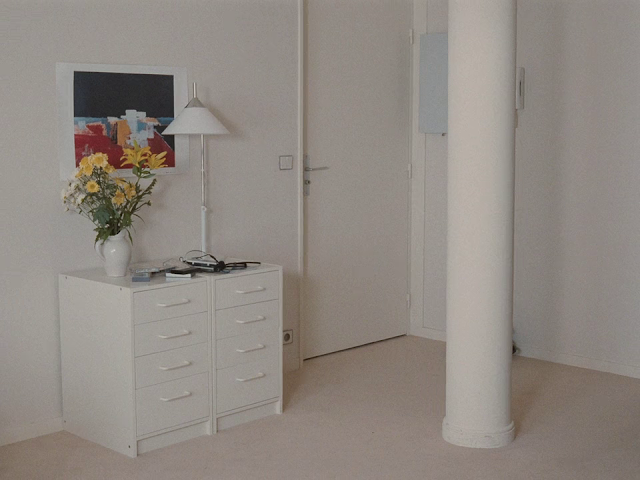
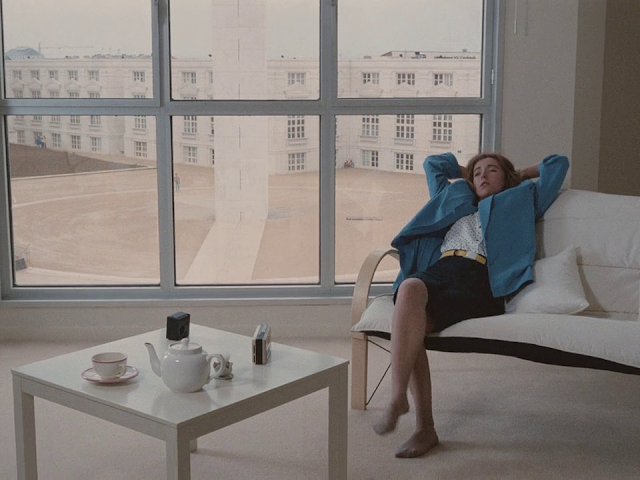
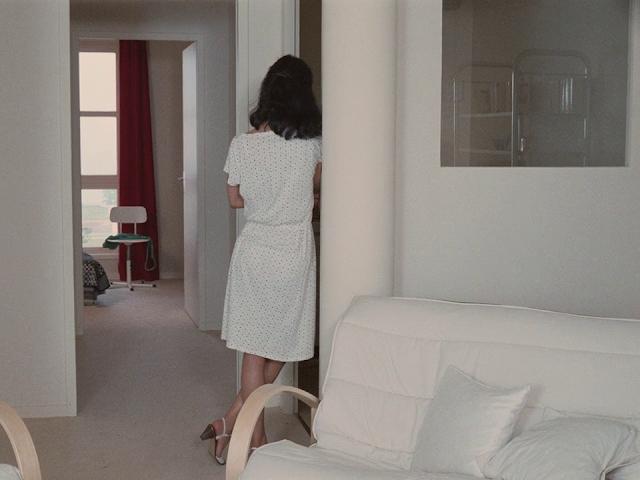
The postmodern housing complex Belvédère Saint-Christophe, designed by Ricardo Bofill, features prominently as the apartment building of the film’s protagonist. Its monumental forms, symmetry, and staged relationship to public space lend the film a distinctly architectural presence, one that feels both aspirational and faintly artificial.
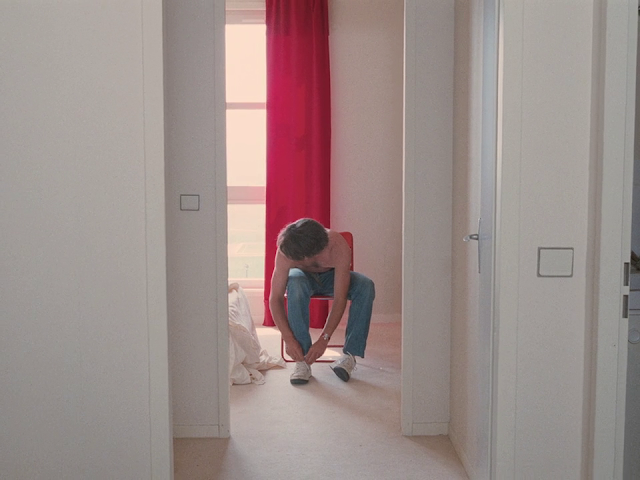
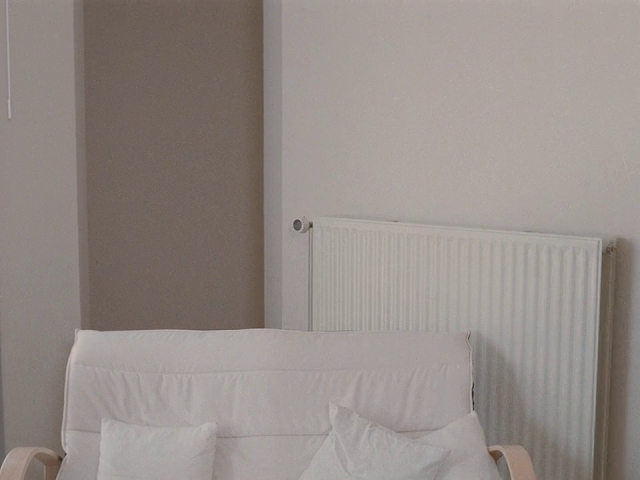
As with much of Éric Rohmer’s work, architecture functions less as backdrop than as a quiet organising principle. Buildings frame encounters, determine movement, and subtly shape the emotional temperature of scenes. The modern landscape does not dominate the characters, but it does reflect them, offering a built analogue to their careful negotiations of intimacy, independence, and desire. This approach recalls Rohmer’s earlier film Les nuits de la pleine lune, where contemporary housing developments similarly mirror the provisional, unsettled lives of their inhabitants.
In L’ami de mon amie, Cergy-Pontoise transcends setting. It is a lived experiment in modernity, one that Rohmer observes with curiosity rather than critique, allowing architecture to register as an afterimage of a future once carefully imagined and now gently inhabited.